

Essential Safari Guide
Where to Find the "Big Five"
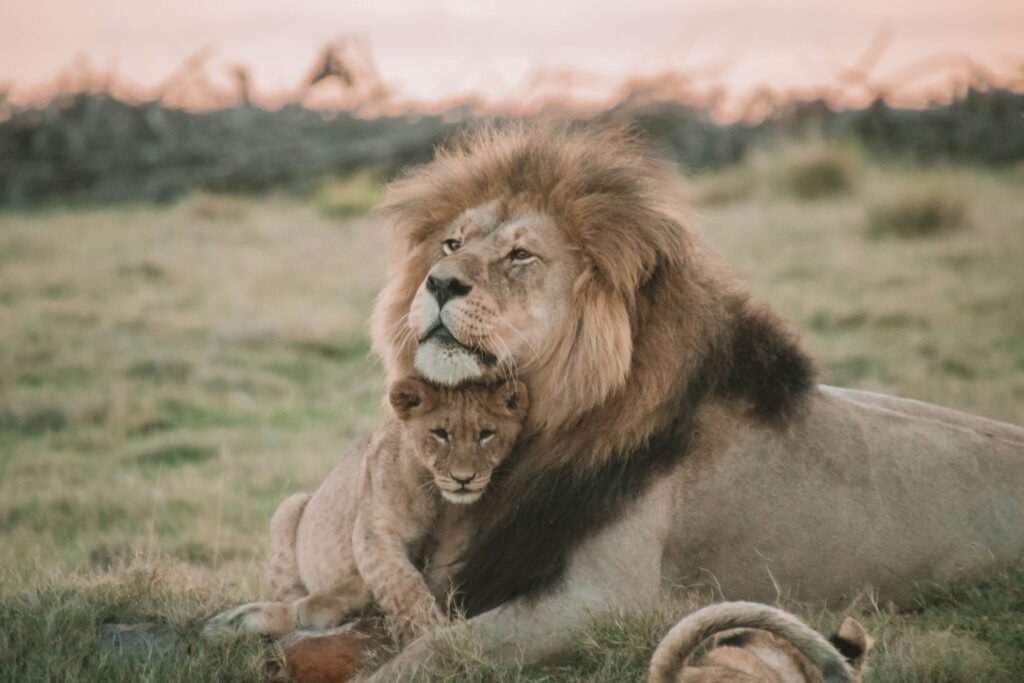
The Lion
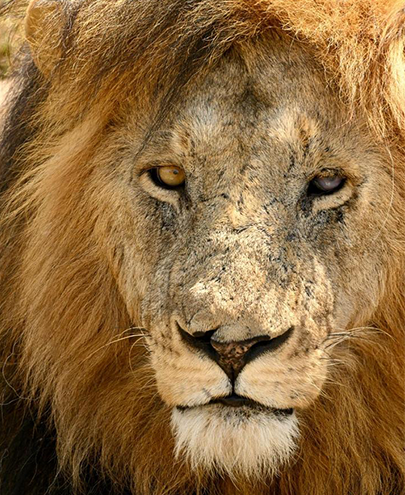
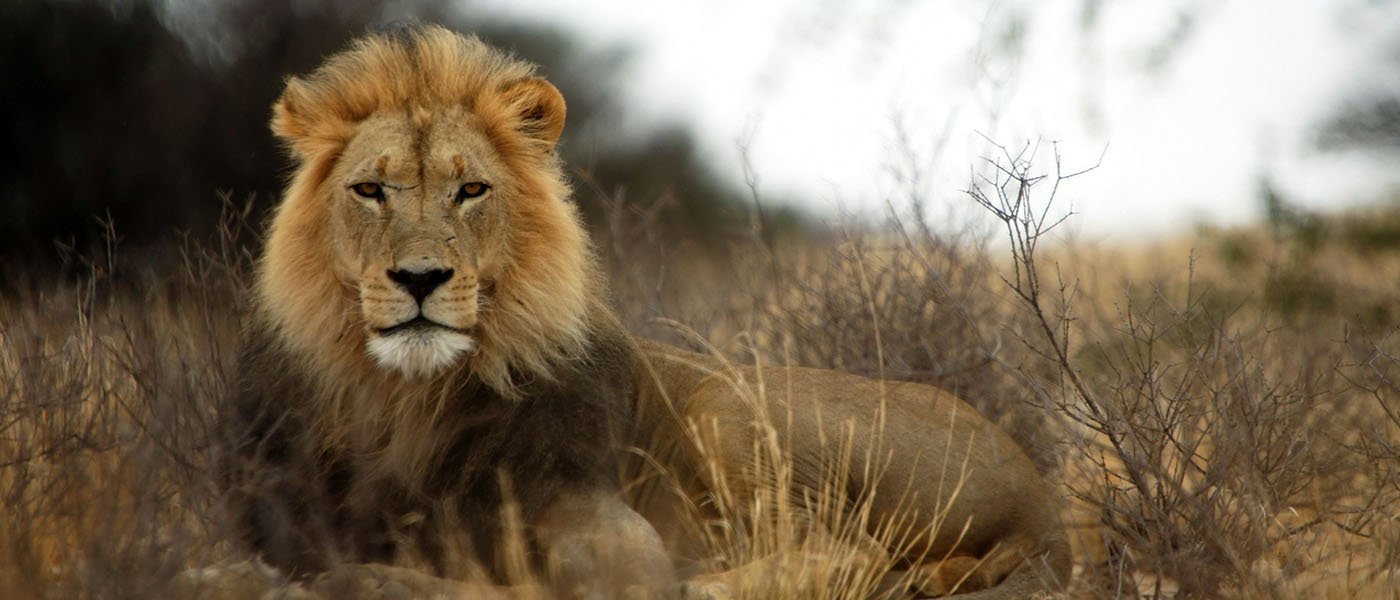
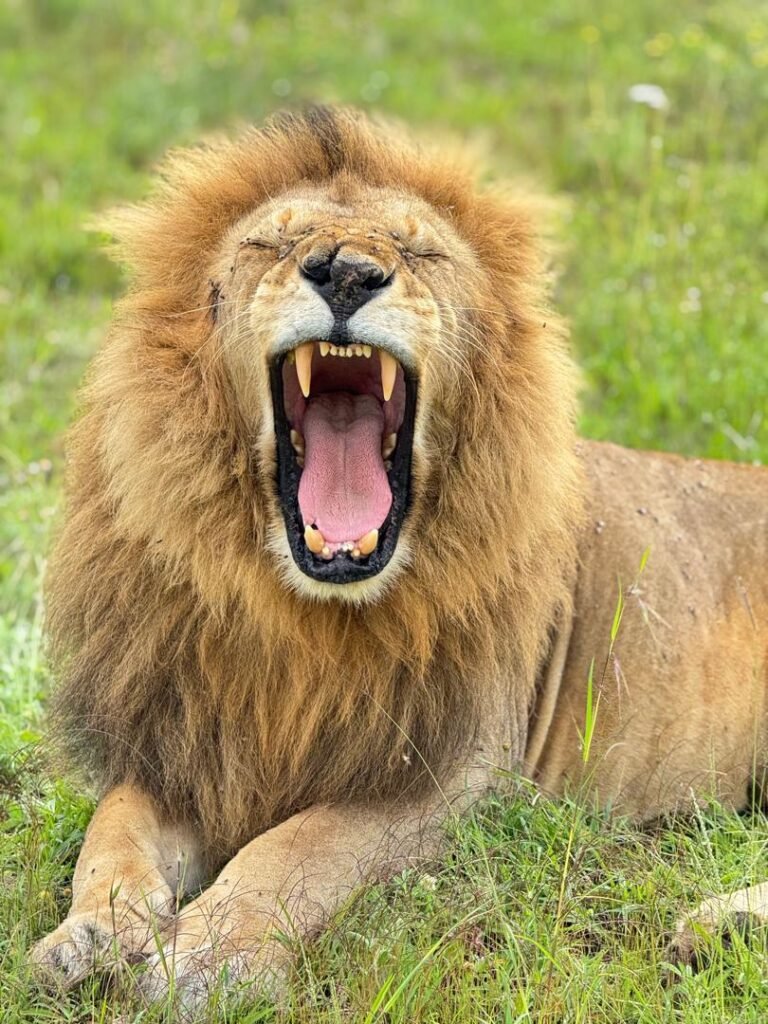
Known as the King of the Savanna, this apex predator is the only big cat that lives in complex social groups. Watching a pride interact and hunt up close with a top guide is the highlight of any Tanzanian Safari.
Habitation
Open Grasslands and Savannas
They thrive where visibility is high for hunting and prey like zebra and buffalo.
Active Hours
Nocturnal and Crepuscular
Most active during the cool of the night or at twilight to maximize hunting success.
Behavior
Social Pride Dynamics
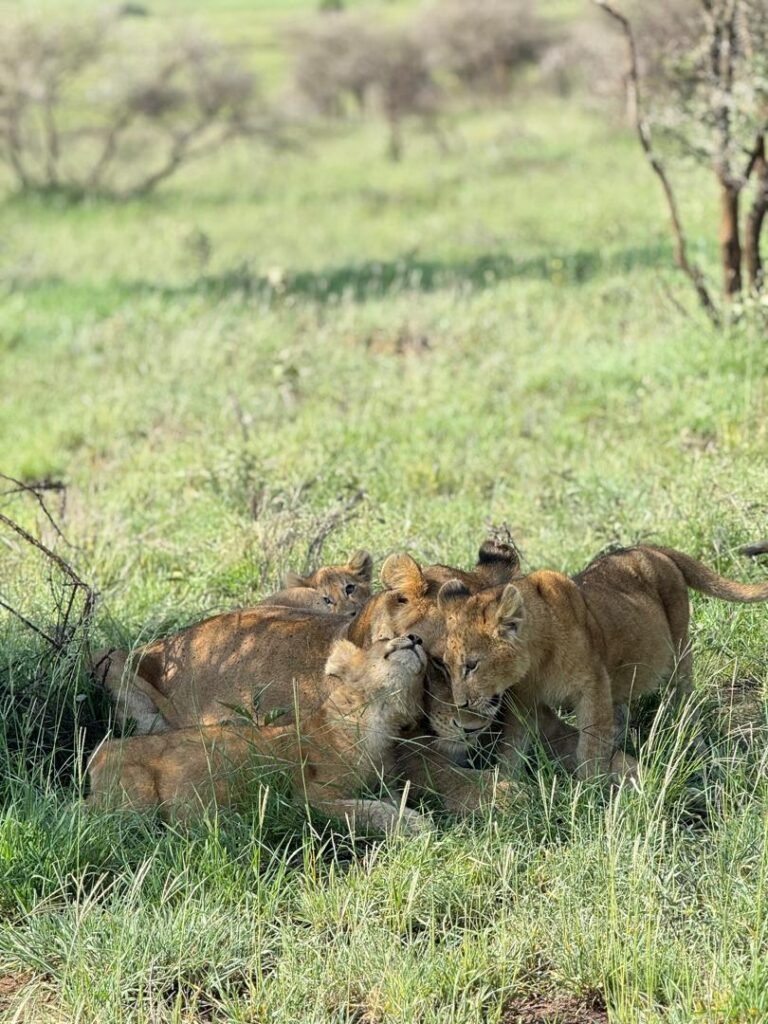
Lions live in stable, kin-based groups called prides, led by related females.
Habitation
Lions are primarily distributed across sub-Saharan Africa, with massive populations found right here in Tanzania. They prefer open landscapes that allow them to spot prey from a distance and access vital water sources. Within our parks, we often find lions in Serengeti, Ngorongoro and Tarangire.
- Found throughout the grasslands and semi-arid scrublands of East Africa.
- Territory size is determined by the density of prey and quality of the habitat.
- Require environments with high populations of large ungulates like buffalo and antelope.
Active Hours
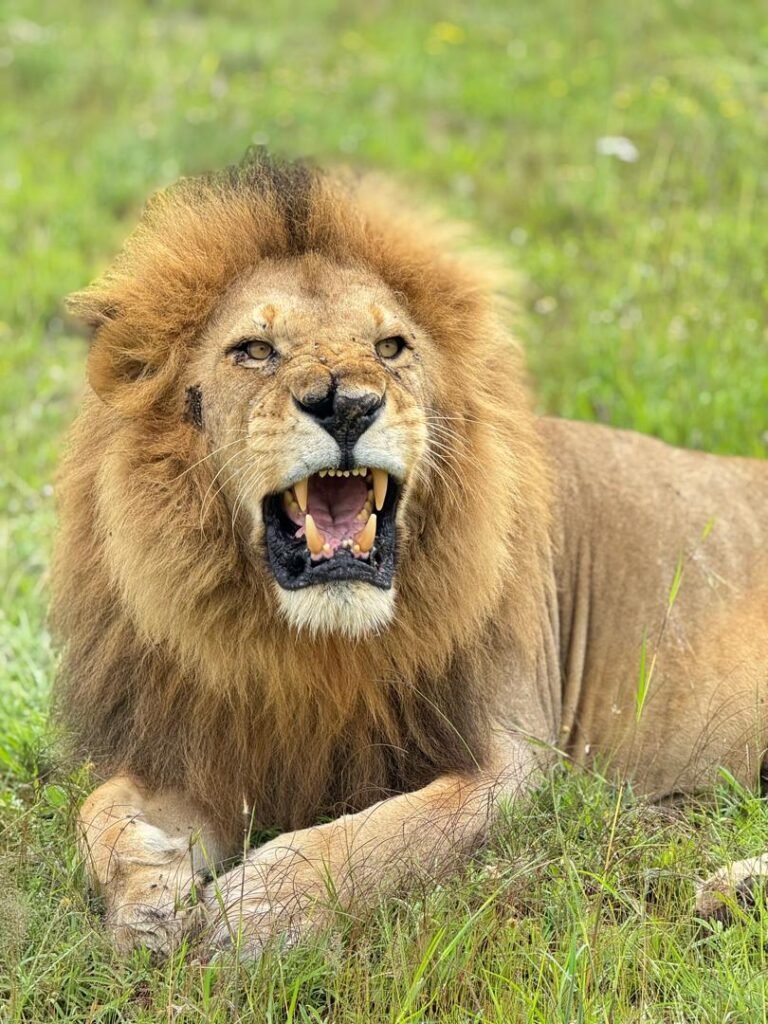
To survive the intense African heat, lions have become masters of energy conservation, resting for up to 20 hours a day. That means you won’t find lions very active during the day as they rest in the shade and avoid using energy.
- Hunting typically occurs at night or during the dawn and dusk periods.
- Resting during the day helps them avoid heat stress and conserve energy for high-intensity hunts.
- Nocturnal activity provides a tactical advantage when ambushing prey.
Behavior
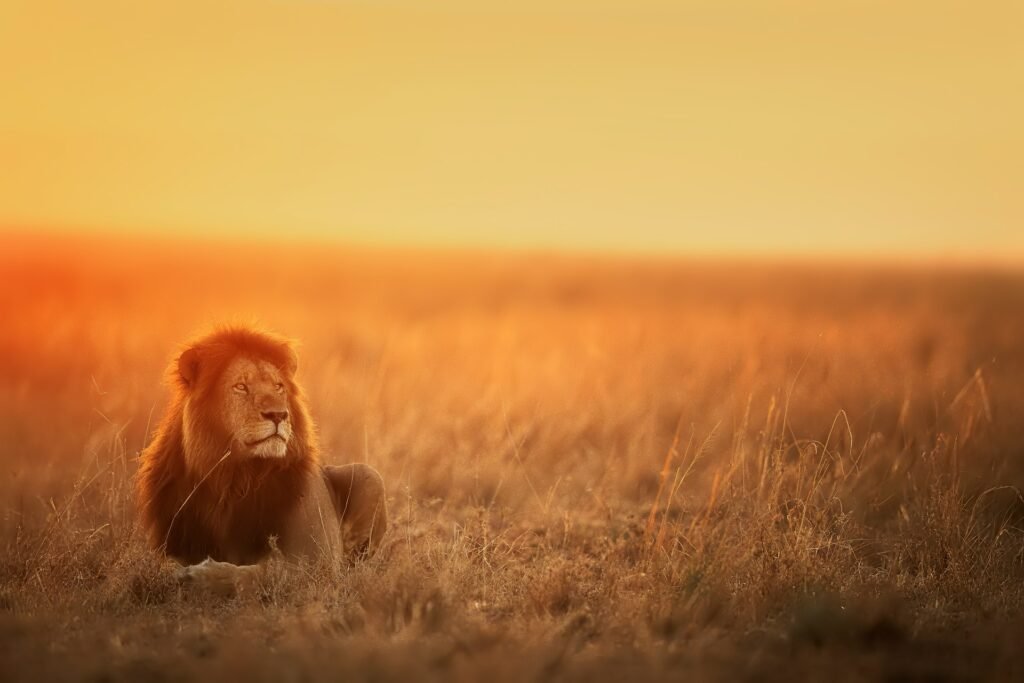
The social structure of a lion pride is unique among felids, relying on cooperation for survival and cub rearing.
- Prides consist of related females, their offspring, and a few resident males.
- Lionesses perform the majority of the hunting, often using coordinated flanking maneuvers.
- Males are responsible for territorial defense, using roars and scent marking to warn off rivals.
- Females often synchronize births to share nursing and protection duties.
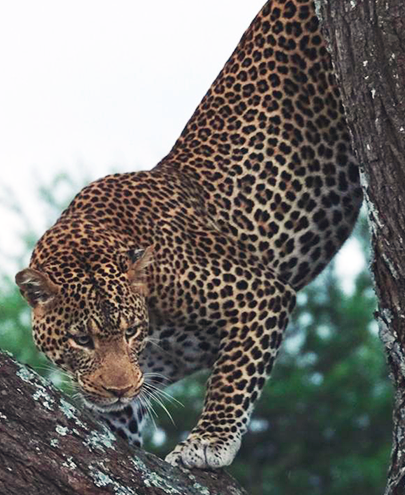
The Leopard
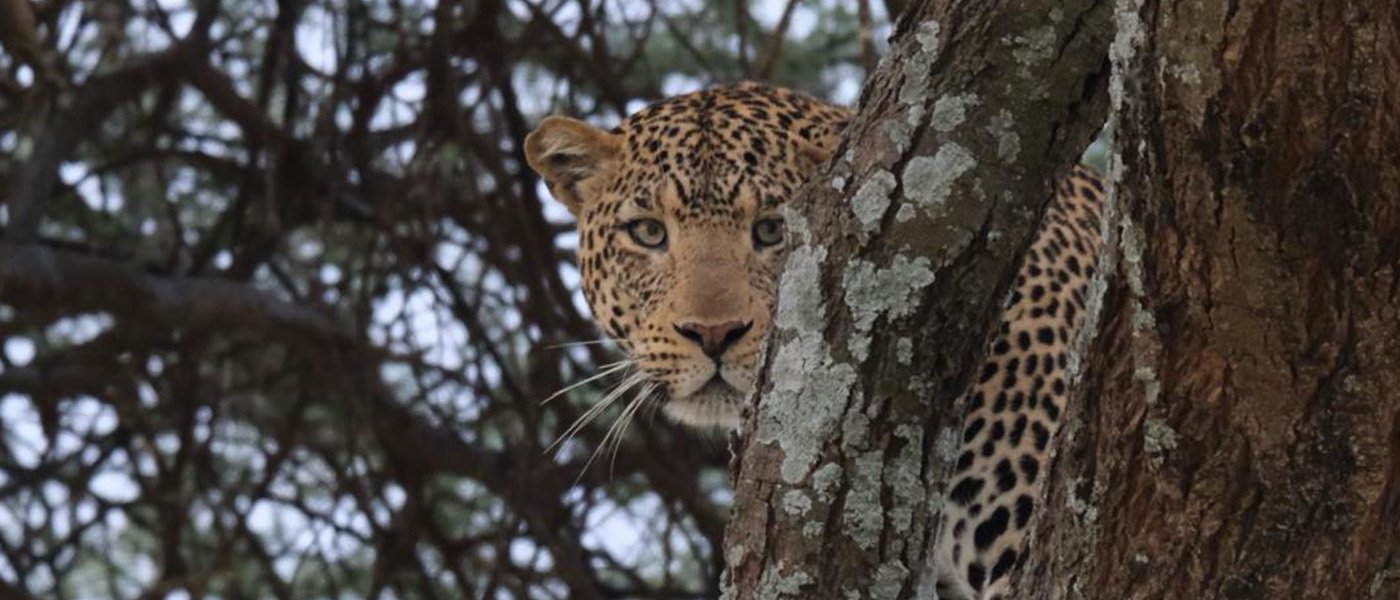
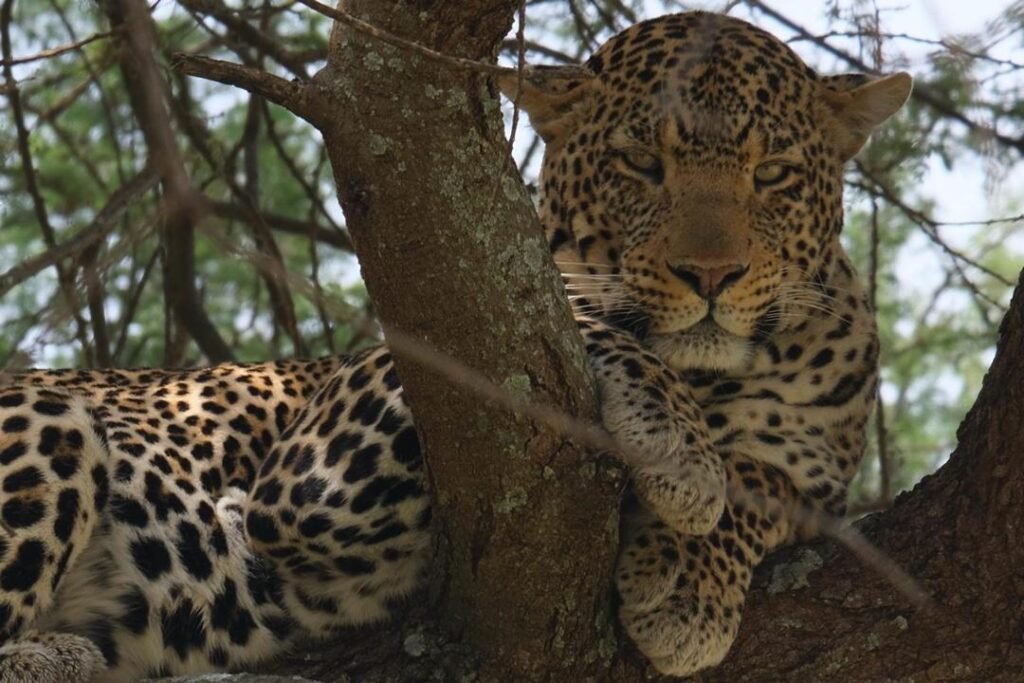
The most elusive of the Big Five, the leopard is a master of camouflage and a solitary ghost of the African bush. As the saying goes, when you enter a leopard’s territory, it knows you’re here long before you know it’s here.
Habitation
Diverse and Adaptable Landscapes
From rocky outcrops to dense riverine forests, they can survive almost anywhere with cover.
Active Hours
Primarily Nocturnal
They move under the cover of darkness to avoid competition with larger predators like lions.
Behavior
Solitary Ambush Hunter
Highly territorial cats that rely on stealth and power rather than a pack.
Habitation
Leopards are incredibly resilient, occupying a wider range than any other large cat. They require areas with enough vegetation or rocky terrain to hide both themselves and their kills. We find leopards along river basins in Tarangire and Serengeti in particular.
- Widely distributed across Africa in habitats ranging from mountains to forests.
- Often found near trees, which they use for safety and as "larders" for their food.
- Highly adaptable, even living in proximity to human settlements if prey is available.
Active Hours
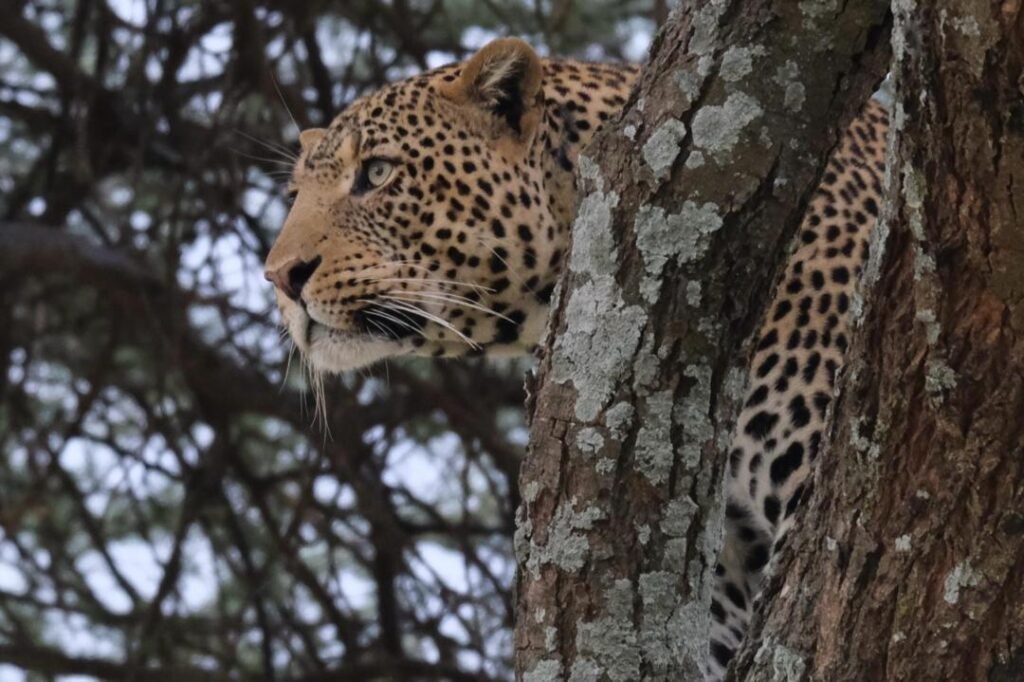
While they can be seen during the day, for example resting in trees, leopards are most active when the sun goes down.
- They are nocturnal or crepuscular to minimize run-ins with lions and hyenas.
- Daytime is usually spent resting in high tree branches or hidden thickets.
- Equipped with exceptional night vision for navigating and hunting in total darkness.
Behavior
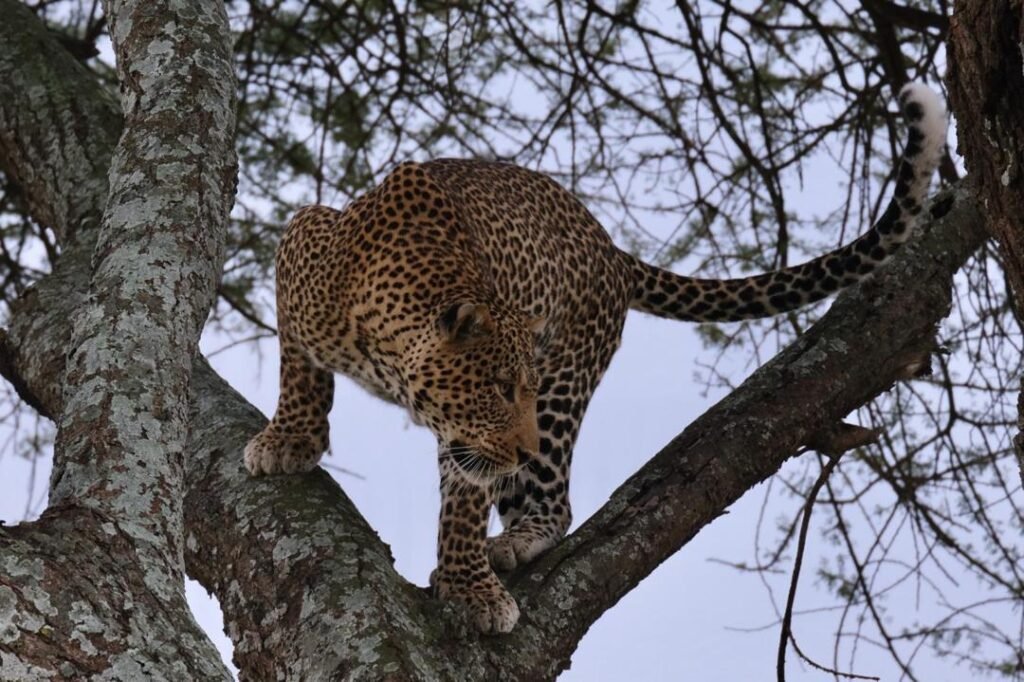
The leopard is the ultimate solitary big cat, living a life of stealth and independence. Despite this, they are notoriously violent towards any other animal in its territory.
- Solitary animals; males and females only come together briefly to mate.
- Famous for their strength, they can drag prey much heavier than themselves high into trees.
- Rely on ambush tactics, getting as close as possible before a powerful burst of speed.
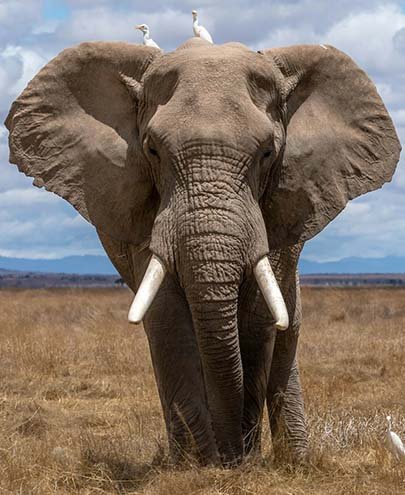
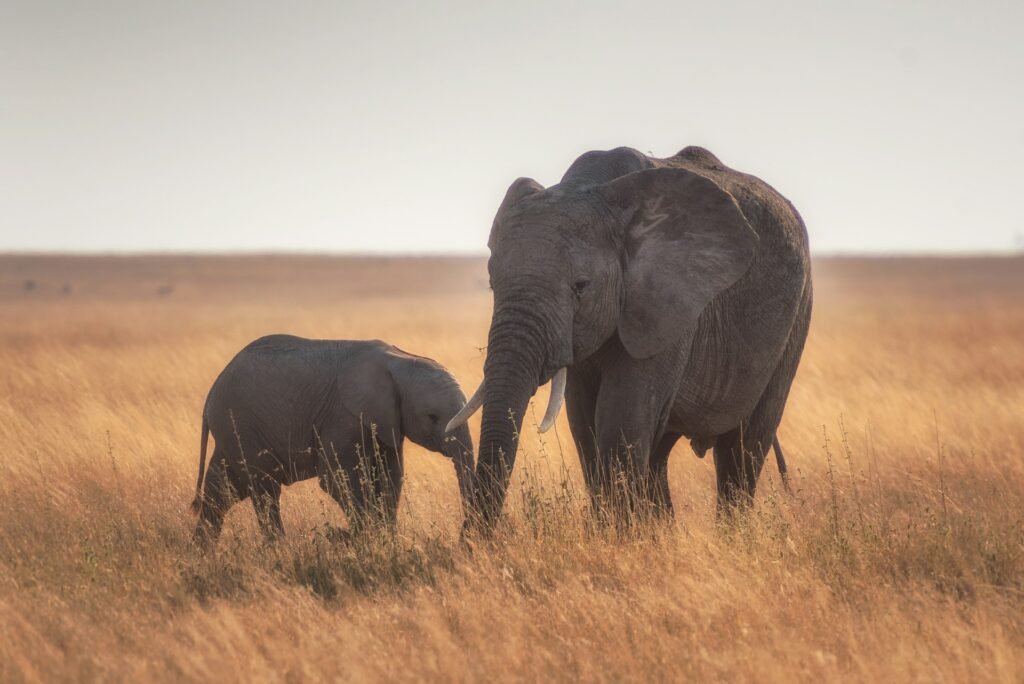
The African Elephant
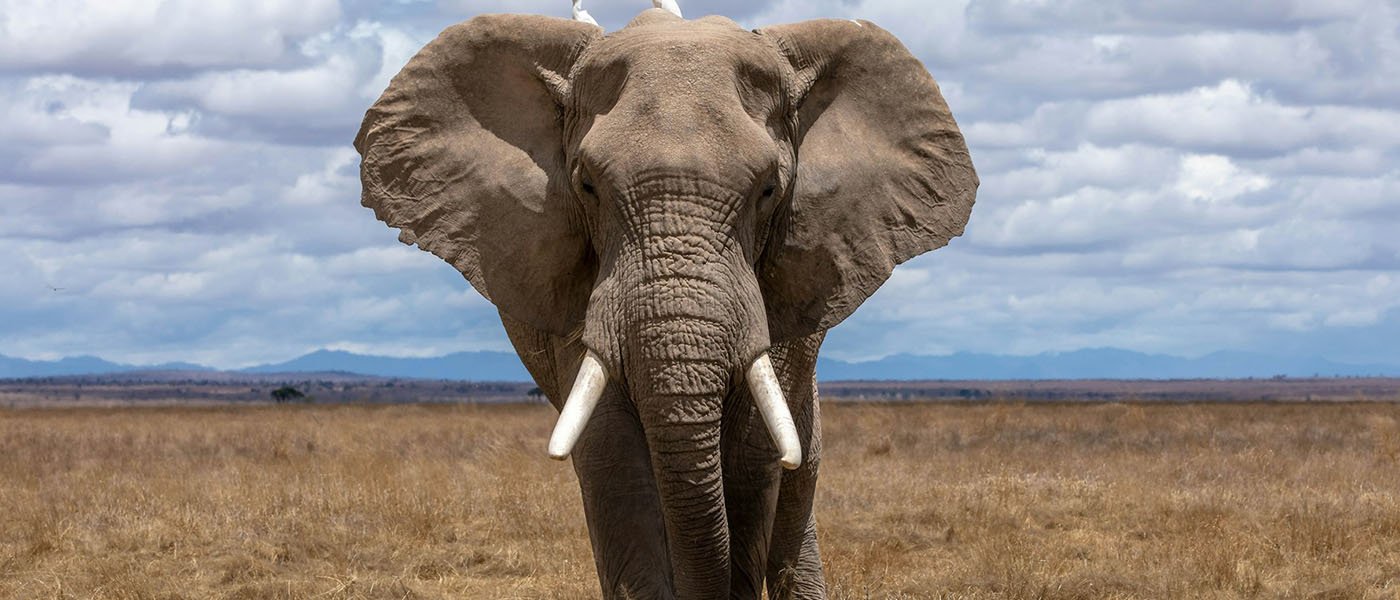
As the largest land animal on Earth, the elephant is a highly intelligent “ecosystem engineer” that shapes the Tanzanian landscape.
Habitation
Savannas and Woodlands
They range across open plains and dense forests in search of massive amounts of food to sustain their large bodies.
Active Hours
Diurnal and Continuous Grazers
They spend most of their day (and much of the night) eating to sustain their massive size and energy requirements.
Behavior
Complex Matriarchal Societies
Led by the oldest female, these herds are built on deep emotional bonds and memory that lasts their lifetime.
Habitation
Elephants require vast territories to meet their daily nutritional needs. In Tanzania, they are frequently found in savannas, though some populations adapt to semi-arid regions. Tarangire, Serengeti, and the Ngorongoro Conservation Area are common hosts to elephants.
- Occupy ecosystems ranging from tropical forests to open grasslands.
- Water is the most critical factor, as an adult can drink 200 liters daily.
- Their movement creates "highways" through thick brush that other animals utilize.
Active Hours
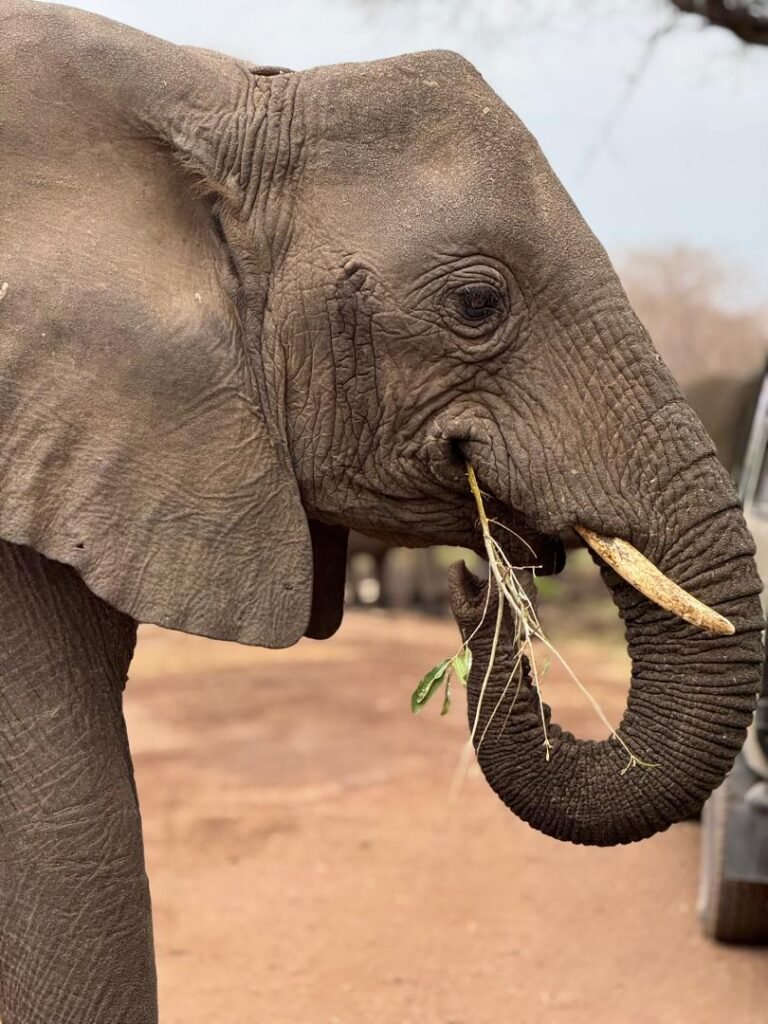
Elephants don’t adhere to a strict “sleep schedule,” as their high metabolic needs require near-constant feeding.
- Spend the majority of their 24-hour cycle roaming and foraging.
- Migrate seasonally over tens of kilometers based on rainfall and food availability.
- Midday is often spent near water sources to cool down and hydrate.
Behavior
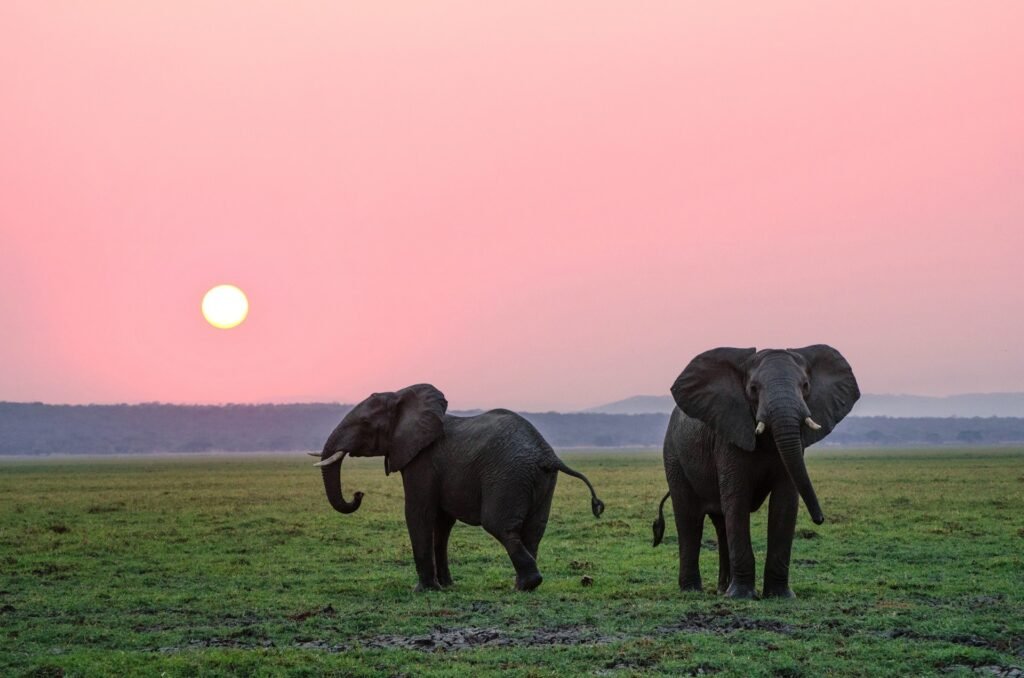
Elephants are remarkably social, using a variety of vocalizations and even infrasound to communicate over miles.
- Herds are led by a Matriarch who holds the "memory" of water holes and routes.
- Adult males are generally solitary or live in loose "bachelor" groups.
- They are keystone species that maintain the environment by uprooting trees and digging for water.
The Cape Buffalo
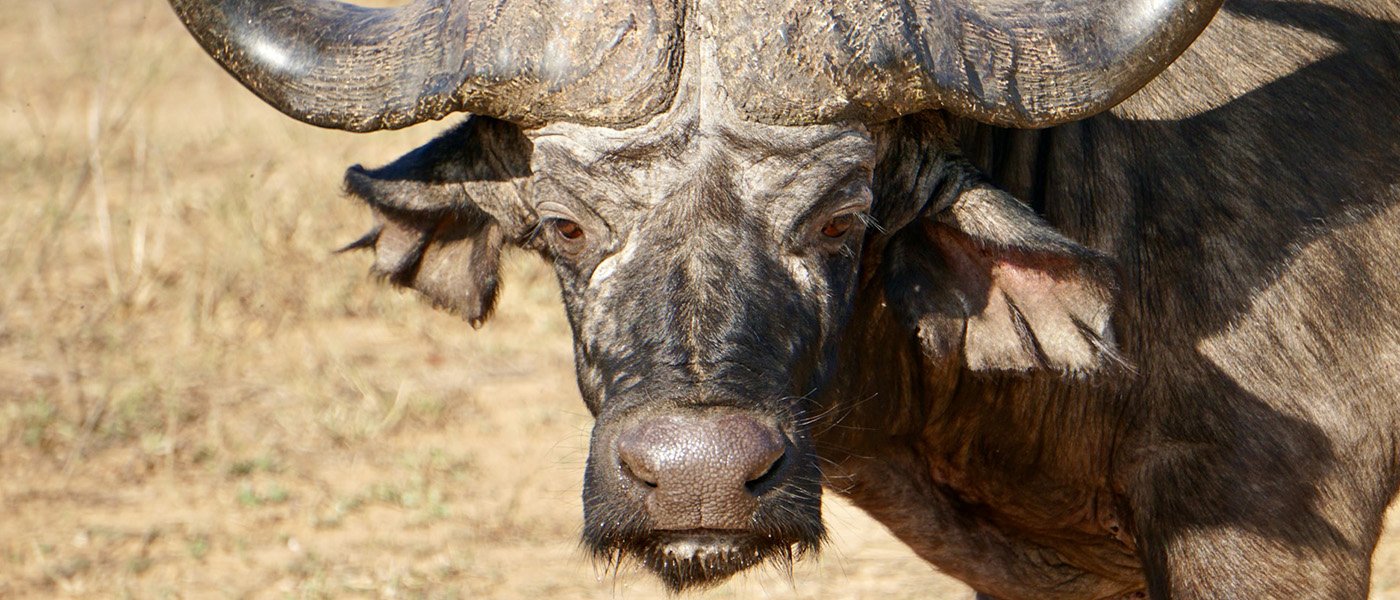
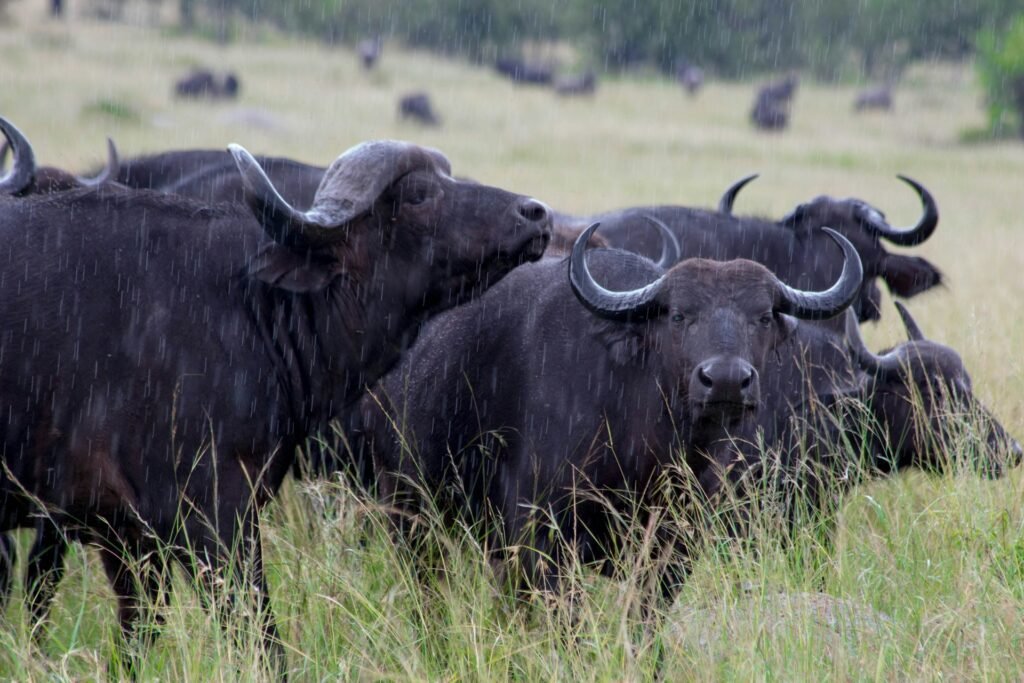
Don’t let the “cow” look fool you; the Cape buffalo is one of the most formidable and protective animals in Africa. They’re known for being powerfully defensive towards threats.
Habitation
Water-Rich Savannas
They are never far from a permanent water source, needing to drink frequently.
Active Hours
Early Morning and Late Afternoon
They graze during the cooler hours and retreat to shade during the midday heat.
Behavior
Massive Protective Herds
Known for their “all for one” mentality, they will fiercely defend any herd member.
Habitation
Buffalo are found throughout sub-Saharan Africa, favoring areas with tall grass and plenty of water. Within Tanzanian National Parks, we frequently locate herds in every park.
- Prefer floodplains, savannas, and woodlands with nearby lakes or rivers.
- They avoid true deserts as they are highly water-dependent
- Wallowing in mud is a daily habit for cooling off and controlling parasites
Active Hours
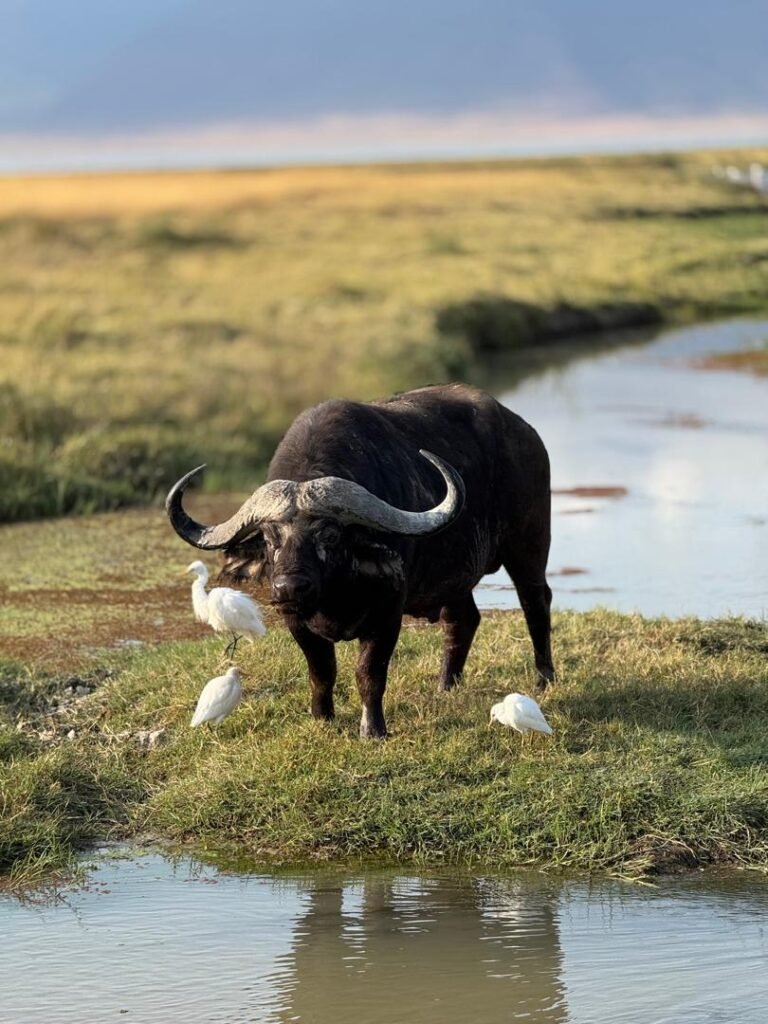
Buffalo follow a rhythmic schedule dictated by the sun and their need for thermoregulation. Generally, they’re most active when the sun is less intense or if they’re in the mud – the bulls will often fight for dominance.
- Feeding peaks during the early morning and late afternoon.
- Midday is reserved for resting and chewing the cud in shaded areas.
- Herds may migrate seasonally to follow the best grazing and water availability.
Behavior
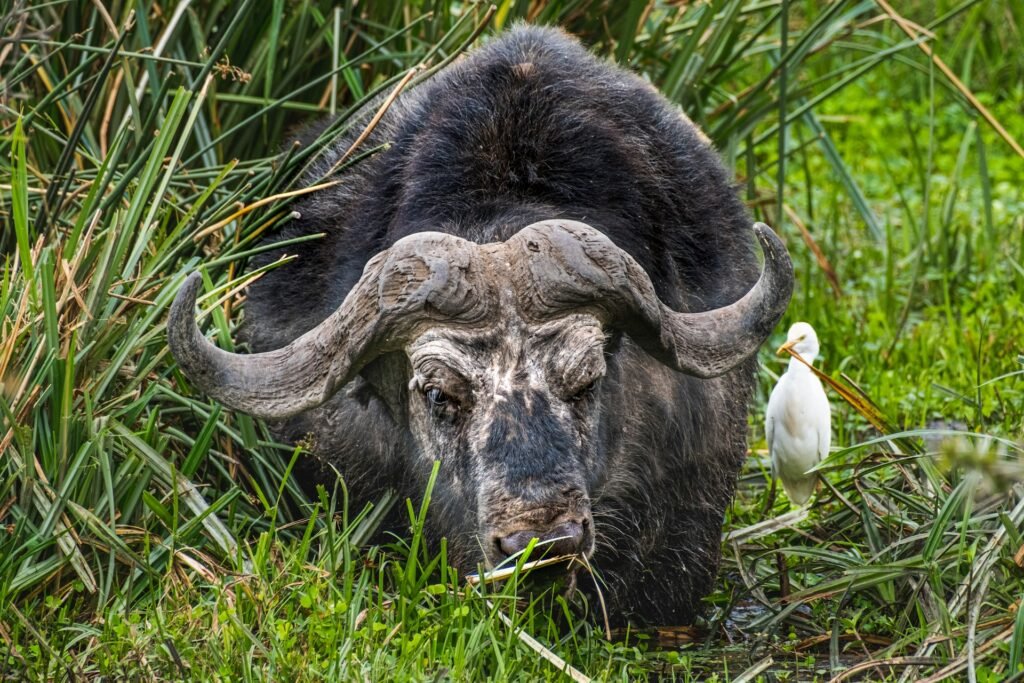
The buffalo’s social structure is its greatest defense, with herds numbering up to 1,000 individuals.
- Herds are led by older females (matriarchs) who decide when and where to move.
- When threatened, the herd forms a circle around calves with their massive horns facing outward.
- Bulls compete for dominance through physical fights and head-tossing displays.
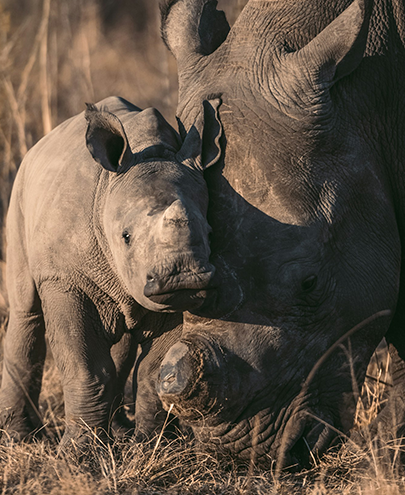
The Rhinoceros
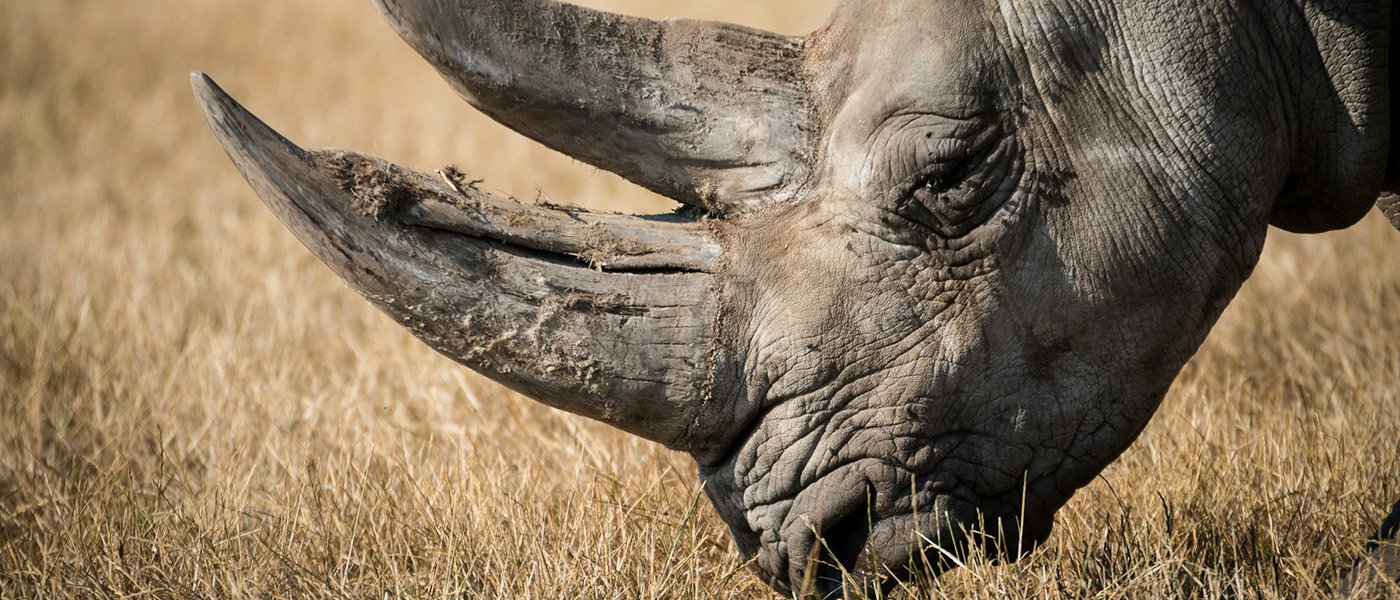
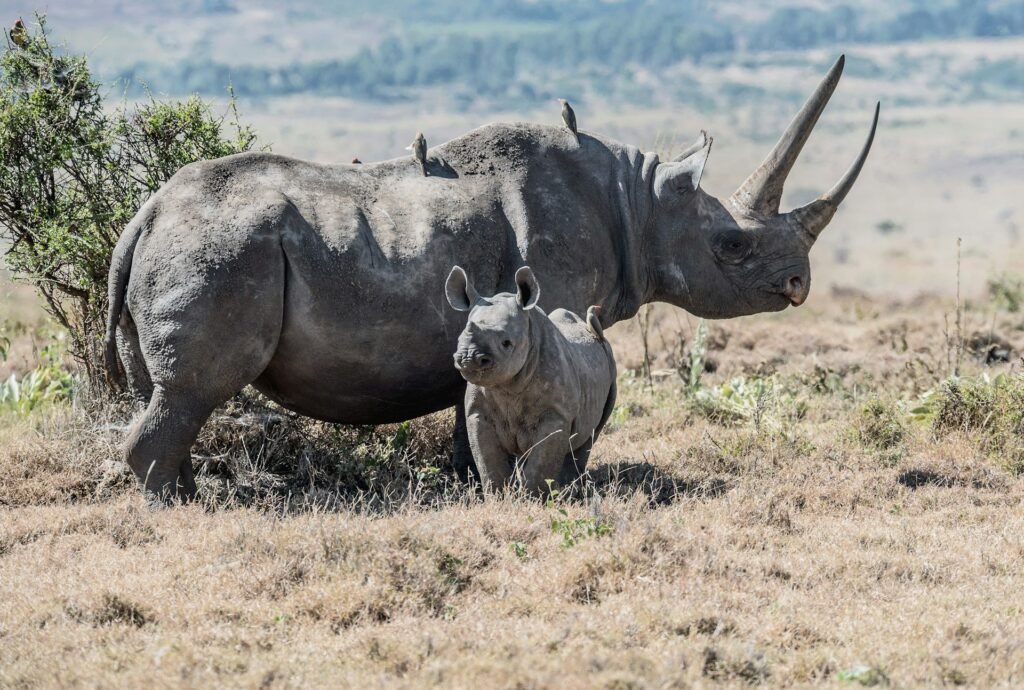
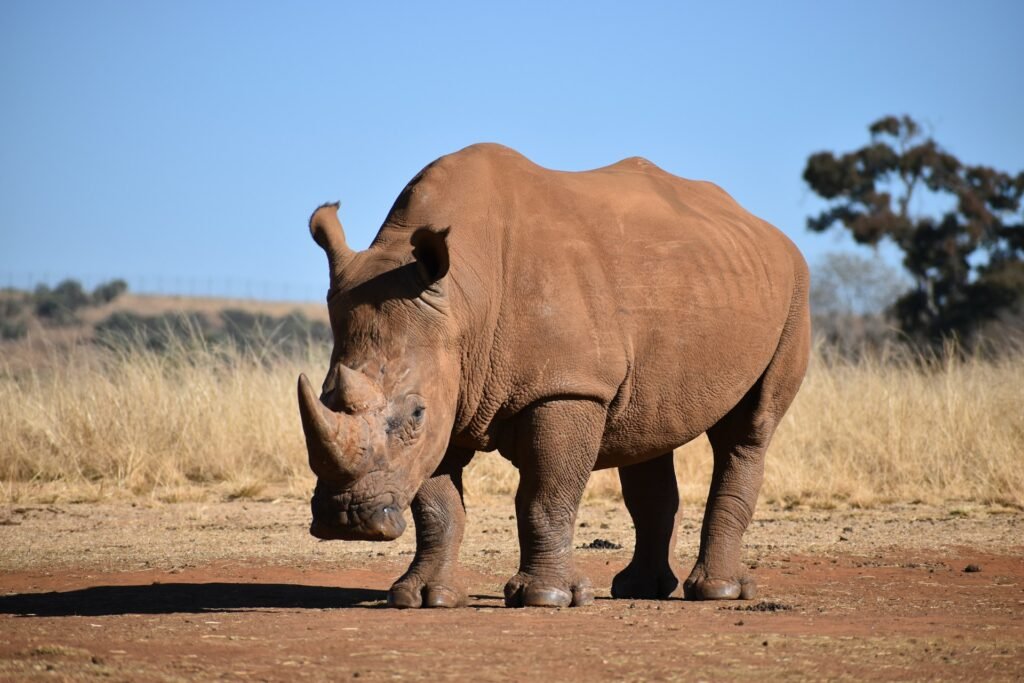
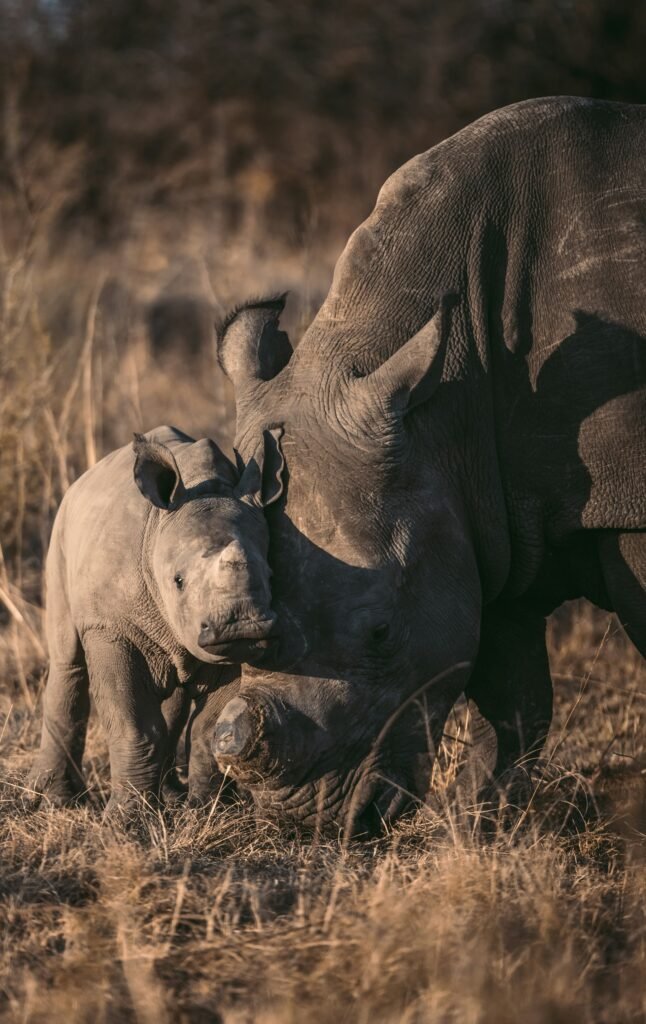
Whether it’s the solitary, browsing Black Rhino or the more social, grazing White Rhino, these prehistoric giants are a rare and precious sight.
Habitation
Shrublands and Open Grasslands
Black rhinos prefer thick brush for browsing, while White rhinos love open plains for grazing.
Active Hours
Crepuscular or Nocturnal
Most active during the cool dawn and dusk; they may become fully nocturnal if disturbed.
Behavior
Solitary or Small Social Groups
Black rhinos are notoriously grumpy and solitary, whereas White rhinos are more social.
Habitation
Rhinos are highly adapted to their specific diets, which dictates where you will find them in the park, however, both rhinos have been introduced to the Ngorongoro Crater.
- Black rhinos (browsers) live in shrublands and woodlands where they can find woody plants.
- White rhinos (grazers) are found in open savannas and floodplains with short grass.
- Both species rely on mud wallows to protect their skin from the sun and parasites.
Active Hours
Rhinos have poor eyesight and rely on their acute hearing and smell, often choosing to move when the air is cool.
- Primarily active during dawn and dusk (crepuscular) to avoid the heat.
- Spend the hottest parts of the day resting in shaded, secluded areas.
- Explore their territories regularly to mark boundaries and check for water.
Behavior
The two species have very different “personalities” that a guide must understand to approach safely.
- Black rhinos are highly territorial and aggressive, often charging if they feel cornered.
- White rhinos are generally more peaceful and can be found in small groups.
- Communication is handled through "scent stations" (dung heaps) and various grunts or snorts.
See Them for Yourself
Passively encountering the Big Five when driving through the park isn’t a reliable approach. Our guides know these animals that live in Tanzania. We know which leopard prefers the acacia tree by the river and which elephant bull is likely to approach the vehicle for a curious sniff. King’s Signature Safari guides are the best in Tanzania. We use our deep knowledge of individual animal territories and seasonal patterns to put you in the front row.
Don’t settle for a “maybe” on your bucket list. Contact us to book a custom safari where seeing the Big Five will be our top priority.